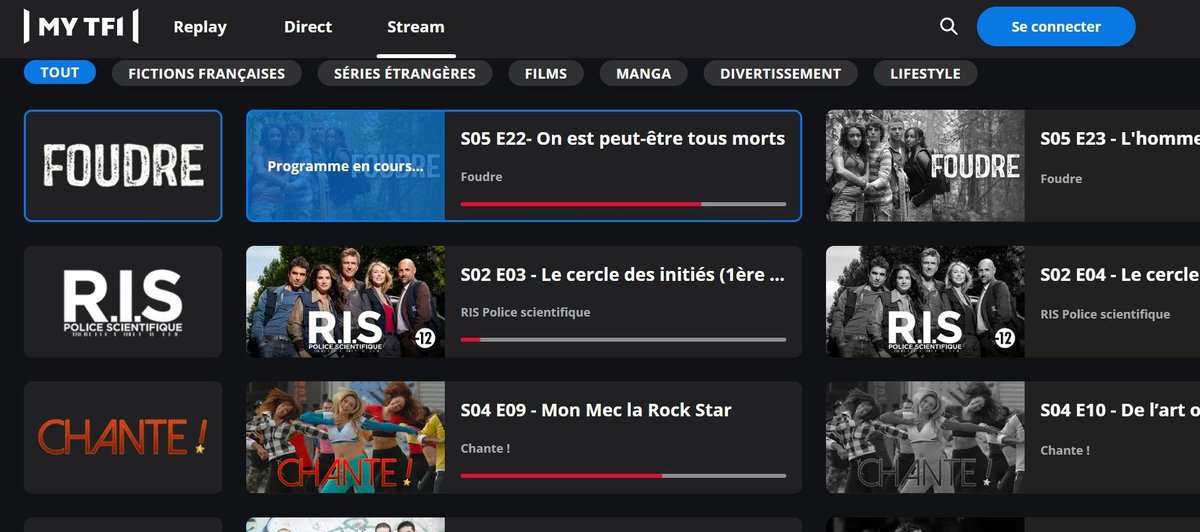
In an era saturated with subscription fatigue and endless scrolling, a quiet revolution has been unfolding in how we consume television: Free Ad-Supported Streaming TV, or FAST. This burgeoning sector, epitomized by services offering compelling content without a monthly fee, is rapidly transforming the global media landscape. Our comprehensive 광고 기반 무료 스트리밍 (FAST) 서비스 분석 reveals not just a trend, but a significant shift in viewer behavior and monetization strategies, promising a future where quality entertainment is truly accessible.
What if you could flick through hundreds of channels of curated content, from classic movies to niche documentaries, breaking news to live sports, all without paying a dime? That’s the core promise of FAST, and it’s a promise increasingly being delivered to millions worldwide.
At a Glance: Key Takeaways from the FAST Phenomenon
- Free Access, Ad-Supported: FAST services offer content without subscription fees, relying on advertising revenue to fund operations.
- Linear Channel Format: Much like traditional broadcast TV, FAST often presents content in always-on, scheduled channels, alongside on-demand options.
- Explosive US Growth: Over 60% of US households have used at least one FAST service, driven by major players like Pluto TV, Tubi, and Peacock.
- Smart TV Manufacturers Lead in Korea: In South Korea, companies like Samsung and LG are spearheading FAST adoption through their integrated smart TV platforms.
- Complementary to SVOD: FAST often fills viewing gaps during weekdays, acting as a valuable complement to subscription video-on-demand (SVOD) services used on weekends.
- Data-Driven Advertising: Advanced technologies like Audio Content Recognition (ACR) enable highly targeted advertising, boosting revenue potential.
- K-Content Global Potential: FAST offers a new avenue for Korean content to reach a wider international audience, even as local broadcasters remain cautious.
What Exactly is FAST? Your Guide to Free, Ad-Supported Streaming
Imagine tuning into a TV channel, but instead of needing a cable box or satellite dish, you just open an app on your smart TV, phone, or streaming device. That’s the essence of FAST. These services provide a wealth of content – movies, TV shows, news, sports, niche interest channels – delivered through a digital, often linear (24/7 scheduled programming) format, entirely free of charge. The trade-off? You’ll watch commercials, much like traditional broadcast television.
The origins of this innovative model can be traced back to 2014 with the startup Pluto TV. Pioneering the idea of "channel surfing" in a digital realm, Pluto TV quickly gained traction, attracting a diverse audience seeking cost-free entertainment. Its success didn't go unnoticed; in 2019, Paramount (then ViacomCBS) acquired Pluto TV for approximately 480 billion Korean Won, solidifying the model's legitimacy and paving the way for its rapid expansion. By late 2022, Pluto TV boasted an impressive 78 million monthly active users, a testament to the undeniable appeal of free, accessible content.
This isn't just a rehash of old TV. FAST brings a modern twist to the linear experience, often featuring channels dedicated to single series, specific genres, or even user-curated "long-tail" content that caters to very particular tastes. Think of a channel playing nothing but vintage sci-fi movies, or one exclusively streaming a beloved sitcom from start to finish. It’s a compelling blend of traditional TV's ease of discovery with the digital world's vast content library.
The American FAST Boom: A Media Consumption Powerhouse
The United States has emerged as the global epicenter of FAST adoption. Here, it’s not just an option; it’s a pervasive new form of media consumption, with over 60% of American households having used at least one FAST service. This widespread embrace speaks volumes about the model’s appeal in a market increasingly weary of escalating subscription costs.
Leading the charge are established media giants. Paramount, with its powerhouse Pluto TV, continues to innovate. Fox’s Tubi offers a massive library of on-demand and linear content. NBCUniversal’s Peacock and Comcast’s Xumo also command significant market share. Together, these platforms contribute to a landscape where approximately 1,400 FAST channels operate across the US.
What makes these channels so popular? Viewers are flocking to a diverse array of content, with news, sports, movies, and kids' programming standing out as particularly strong draws. Unlike traditional broadcasters, where the "station" name is paramount, FAST channels often put the "content" itself in the driver's seat. You'll find channels dedicated to single series, specific genres, or curated collections, often featuring older broadcast content, YouTube videos, and niche programming that caters to very specific audience tastes. This highly granular approach to content curation means there’s truly something for everyone, providing endless opportunities to find something new or revisit a classic. If you're looking for more options, especially for movies, our Free movies hub offers a deep dive into various platforms and how to make the most of free cinematic experiences.
The financial success has been staggering. Industry forecasts predicted that FAST advertising revenue would exceed a remarkable $20 billion (approximately 28.49 trillion Korean Won) in 2022 alone. This robust revenue stream is fueled by a significant advantage FAST services hold over traditional paid broadcast platforms: the ability to collect and analyze granular viewer data using technologies like Audio Content Recognition (ACR). This data allows for highly targeted advertising, ensuring ads are relevant to the viewer, which in turn commands higher ad rates.
Interestingly, FAST services aren't just competing with other streaming options; they're often complementing them. Data shows that FAST is frequently utilized during weekdays, providing a casual, always-on viewing experience, while subscription video-on-demand (SVOD) services tend to see higher usage on weekends, when viewers are often seeking specific shows or movies to binge. This complementary relationship highlights FAST's role in a balanced streaming diet.
FAST's Global Expansion: Opportunities and Challenges
While the US market showcases FAST's maturity, the model is still in its nascent stages in many other regions, including South Korea. However, the global media industry is rapidly recognizing its potential, sparking increased interest and investment.
The Korean FAST Landscape: Smart TVs Lead the Charge
In South Korea, the FAST story is somewhat unique. Unlike the US, where media conglomerates often drive adoption, here it’s predominantly smart TV manufacturers like Samsung Electronics and LG Electronics that are leading the charge. They have a built-in advantage: their devices are already in millions of homes, making it easy to integrate FAST services directly into the user experience.
This isn't Korea's first foray into similar territory. Back in 2012, a service called Everion TV offered a comparable model, but it ultimately ceased operations in 2019 due to network cost issues. This prior experience provides valuable lessons for the current generation of FAST platforms.
LG Channels: A Seamless Smart TV Experience
LG Electronics has been a pioneer, integrating its 'LG Channels' FAST service into all its smart TVs since 2015. This global footprint now extends to 28 countries, with approximately 110 channels available in South Korea. The brilliance of LG Channels lies in its seamless integration: it comes pre-installed on new LG Smart TVs, and viewers can even automatically access it by simply surfing past terrestrial broadcast channels.
LG Channels embraces the dedicated content channel approach, often focusing a single channel on a single program or genre. It offers both live (LiVE) channels and on-demand (VOD) functionalities, providing flexibility to viewers. Beyond LG smart TVs, LG Channels is also expanding its reach to Android apps and even integrated into select 2024 Genesis GV80/Coupe and Kia EV3 models equipped with webOS, demonstrating a wider strategic vision for platform accessibility.
Samsung TV Plus: Content Diversity on Your Devices
Not to be outdone, Samsung Electronics launched 'Samsung TV Plus' in 2015, operating a comparable number of FAST channels in Korea to LG Channels. The service boasts immediate accessibility: no sign-ups, subscriptions, or additional devices are required. Viewers can dive straight into a wide range of content, including popular shows from CJ ENM affiliates, and crucially, channels from major terrestrial broadcasters like KBS, SBS, and MBC.
Samsung TV Plus isn't confined to smart TVs; it's also available on Samsung smart monitors, Galaxy smartphones, and Galaxy Tabs, extending the free streaming experience across a user's ecosystem of devices.
Local Players and K-Content Ambitions
Beyond the hardware giants, South Korean startups are also making their mark. Companies like 'New ID' are actively collaborating with broadcasters such as MBC Plus and MBN to onboard dozens of FAST channels onto platforms like Samsung Smart TV. Their ambition isn't just local; they are keenly focused on leveraging FAST as a powerful vehicle for the global expansion of K-content. This is a significant opportunity, as the worldwide appetite for Korean dramas, films, and music continues to grow exponentially.
Navigating the Hurdles: Quality and Broadcaster Hesitation
Despite the promising growth, the Korean FAST market faces certain challenges. Currently, the picture quality of many Korean FAST channels can be inconsistent, often falling short of HD standards. This could be a barrier for viewers accustomed to high-definition content from traditional broadcasters or premium SVOD services.
Furthermore, Korean broadcasters, unlike their more aggressive American counterparts, have shown a degree of hesitation. Concerns that FAST could cannibalize existing media revenue streams or dilute their brand value have made them less enthusiastic about fully embracing the model. Overcoming this skepticism and demonstrating FAST's complementary value will be crucial for broader industry collaboration.
However, the tide might be turning. While mobile OTT viewing dominates in Korea, TV viewing proportions are gradually increasing. This shift, coupled with the immense global demand for K-content, positions FAST as an undeniable new opportunity for Korean content to find global audiences and generate new revenue streams.
FAST vs. The Rest: Understanding the Streaming Ecosystem
The emergence of FAST doesn't mean the end for other streaming models. Instead, it carves out its own unique niche, often complementing existing services rather than directly replacing them.
Complementing SVOD: Weekdays vs. Weekends
We've touched on this, but it bears repeating: FAST and SVOD (Subscription Video On Demand) often form a symbiotic relationship. SVOD, with its vast on-demand libraries and ad-free experience (or limited ads on premium tiers), is ideal for planned viewing, binge-watching new releases, or diving deep into specific series over a weekend. FAST, on the other hand, excels at casual, serendipitous viewing. It's perfect for when you want something on in the background, to discover new content without committing, or simply to flick through channels without the pressure of choosing from a massive menu. Its linear, always-on nature makes it a great weekday companion, akin to how many once used traditional cable TV.
Beyond Traditional Cable: A New Value Proposition
For many, FAST services offer a compelling alternative to traditional cable or satellite TV. They deliver a similar "channel surfing" experience and access to news, sports, and entertainment, but without the hefty monthly bills, cumbersome equipment, or restrictive contracts. This "free" aspect is a powerful differentiator, attracting cord-cutters and cord-nevers alike. While cable often bundles hundreds of channels, many of which go unwatched, FAST allows for more selective viewing of curated, often niche, channels that truly align with specific interests, without the financial burden.
The Engine Room: How FAST Generates Revenue
The magic of "free" isn't really magic; it's sophisticated advertising. Understanding how FAST makes money is key to appreciating its sustainability and growth.
The Ad-Supported Model Explained
At its core, FAST operates on an ad-supported model, much like traditional broadcast television or platforms like YouTube. Viewers consume content, and in exchange, they watch commercials interspersed throughout the programming. The revenue generated from these ads is what allows FAST providers to acquire content, maintain their platforms, and continue offering services for free. The more viewers a FAST service attracts, the more valuable its advertising inventory becomes, leading to higher ad rates and greater revenue.
The Power of ACR: Precision Advertising
Where FAST truly innovates beyond traditional TV is in its advertising technology, particularly with tools like Audio Content Recognition (ACR). Unlike older systems that might serve generic ads to a broad demographic, FAST platforms leverage ACR and other data analytics to understand viewer habits at a much deeper level.
ACR, often embedded in smart TVs, listens to audio cues (anonymously and with user consent, where applicable) to identify what content is being watched across various inputs – broadcast, streaming apps, gaming consoles. This data, combined with other demographic and behavioral insights, allows FAST platforms to serve highly targeted advertisements. For example, if you frequently watch cooking shows on a FAST channel, you might see ads for kitchen appliances or meal delivery services. This precision advertising is far more effective for advertisers, justifying higher ad spend and creating a virtuous cycle of revenue generation for FAST providers.
What's Next for FAST? A Look Ahead
The trajectory for FAST services points firmly upwards. As subscription costs for premium SVOD services continue to climb, and consumers seek more flexible and affordable entertainment options, FAST is perfectly positioned for sustained growth.
Continued Growth and Innovation
Expect to see more content providers, both established media companies and independent creators, launch their own FAST channels or partner with existing platforms. The technological innovations will also continue, leading to even more sophisticated ad targeting, personalized channel recommendations, and perhaps even interactive advertising experiences. The global expansion will pick up pace, with different regions adapting the FAST model to their local content preferences and technological infrastructures. We might also see more integration of FAST into diverse devices beyond smart TVs, extending its reach even further.
The Future of K-Content Global Reach
For K-content, FAST represents a significant new frontier. Its ability to deliver content to global audiences at no cost removes a major barrier to entry, particularly for viewers who may be hesitant to subscribe to another paid service. Platforms like Samsung TV Plus and LG Channels, with their vast global reach via smart TV shipments, offer an unparalleled distribution network. As Korean production houses become more comfortable with the FAST model, and as the quality of channels improves, we can expect a surge in K-dramas, films, variety shows, and documentaries reaching international viewers through these free, ad-supported channels. This could democratize access to K-content and amplify its global cultural impact even further.
Common Questions About FAST Services
Is FAST truly free?
Yes, FAST services are genuinely free to watch. You don't pay any subscription fees, monthly charges, or hidden costs. The "payment" comes in the form of watching advertisements that are integrated into the programming, similar to traditional broadcast television.
What kind of content can I expect on FAST?
FAST offers a vast array of content. You'll find movies (often library titles, but some originals), TV series (classic sitcoms, dramas, reality shows), live news channels, sports highlights and replays, documentaries, kids' programming, and highly specialized niche channels (e.g., a channel dedicated solely to Bob Ross paintings or classic car shows). Content is often curated into themed, always-on linear channels.
Are the ads intrusive?
The frequency and length of ads on FAST services are generally comparable to or slightly less than traditional broadcast television. While you will encounter commercials, the trade-off for free access to content is often seen as acceptable by viewers, especially given the increasingly targeted nature of the ads, which can make them more relevant.
How does FAST make money if it's free?
FAST services generate revenue through advertising. They sell ad slots to companies, who pay to display their commercials to the audience watching the free content. Advanced advertising technologies, like Audio Content Recognition (ACR), allow for highly targeted ads, which are more effective for advertisers and thus command higher prices, making the model very profitable.
Navigating the FAST Future: Your Takeaways
The 광고 기반 무료 스트리밍 (FAST) 서비스 분석 reveals a vibrant, rapidly evolving sector poised for continued disruption in the media industry. For viewers, it offers an incredible opportunity to access a wealth of diverse content without the burden of subscriptions, providing a valuable complement to existing streaming habits. For content creators and distributors, it presents a powerful new avenue for monetization and global reach, particularly for K-content looking to expand its international footprint.
While challenges remain, particularly in content quality and securing broader industry buy-in in nascent markets like South Korea, the foundational appeal of "free" entertainment is a force too strong to ignore. As technology advances and content libraries grow, FAST will undoubtedly become an even more integral part of our daily media consumption, redefining what it means to tune in. Embrace the shift; your next favorite show might just be waiting for you, completely free of charge.